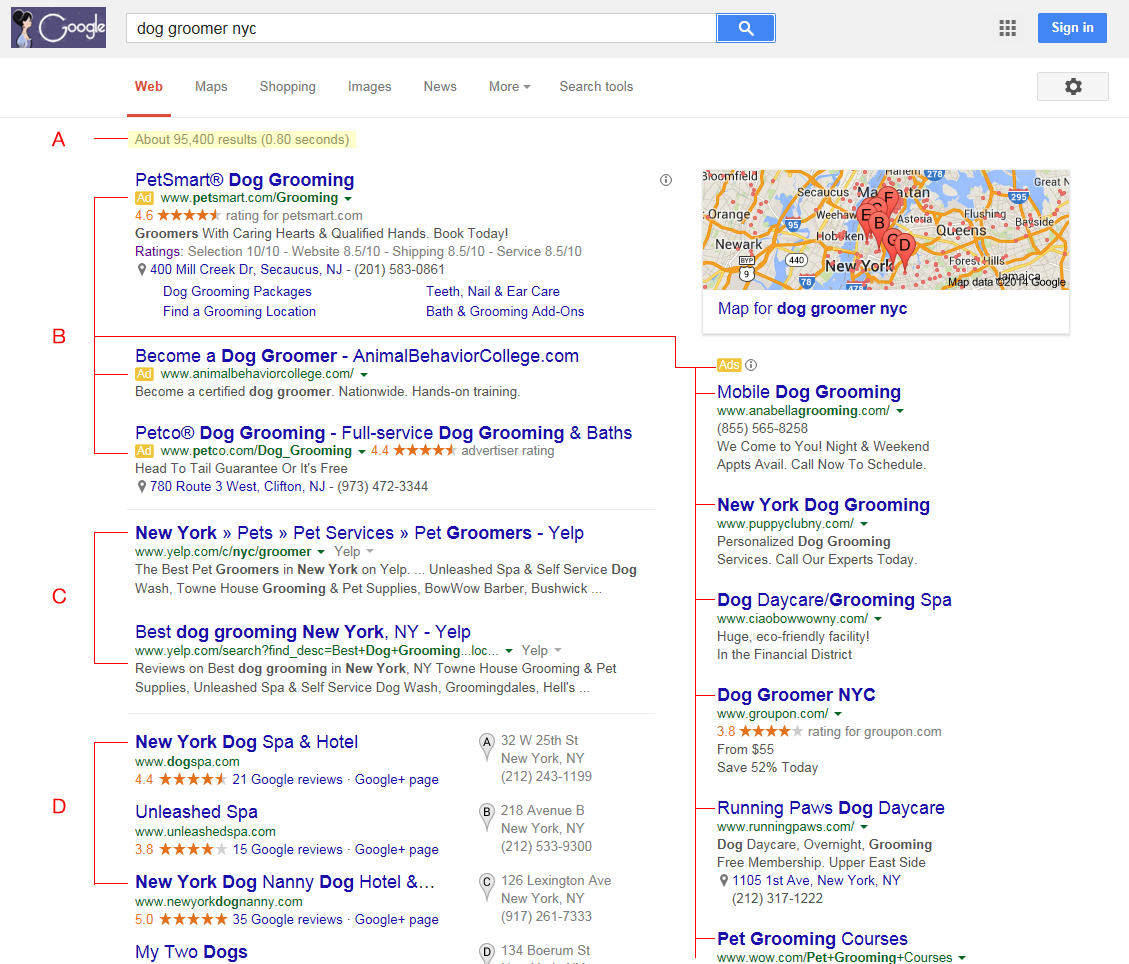

Why is it important? Because 75% of users never scroll past the first page of search results!
Organic SEO refers to the practice of optimizing your website to rank higher on search engines like Google without relying on paid advertisements. It involves a combination of strategies such as keyword research, high-quality content, technical optimization, and effective link building.
Why is it important? Because 75% of users never scroll past the first page of search results! Organic SEO ensures you're visible right where your audience is actively searching for your products or services. More than just visibility, organic SEO builds trust and credibility, positioning your business as an authoritative force in your industry.
Organic SEO is a powerful strategy for sustainable growth, delivering significant long-term value. Unlike paid advertising, it offers a cost-effective way to achieve high rankings and consistent website visibility. By earning your spot on search engine results pages, you build credibility and enhance user trust, leading to higher-quality traffic. This approach establishes a durable online presence, ensuring that your investment continues to generate results well into the future, making it a cornerstone of effective digital marketing.:
Organic SEO stands out as a cost-effective marketing strategy because it focuses on earning traffic rather than buying it. Unlike paid advertising, which stops generating leads the moment you stop paying, SEO builds a sustainable foundation that continues to attract visitors over time. By optimizing your site for relevant keywords, you draw in targeted traffic naturally without incurring ongoing costs for every click. This reduces reliance on expensive ad campaigns, delivering a higher return on investment in the long run.
Organically placed websites are often considered more trustworthy because they earn their rankings through relevance, quality content, and user engagement rather than paid promotions. Search engines like Google prioritize organic results that align with user intent, signaling credibility and authority.
This trust is built on several key factors that search engines use to determine which sites deserve a top spot:
By meeting these criteria, organically ranked websites not only achieve higher visibility but also foster greater user trust. Visitors are more likely to see these sites as reliable sources of information, since their position is earned based on merit rather than advertising spend. Users tend to perceive these sites as more authentic, as they are not influenced by advertising budgets but rather by their ability to provide valuable, reliable information.
Organic SEO builds sustainable, long-term traffic by establishing authority and relevance, making it highly cost-effective over time. Once you achieve high rankings, you can enjoy a consistent flow of visitors without ongoing payment for each click. In contrast, paid ads offer immediate visibility but the traffic stops the moment you stop paying. This makes organic SEO a more durable strategy for lasting online presence, while paid ads provide a temporary, albeit quick, boost.
Organic SEO offers a better return on investment (ROI) in the long term by driving consistent, high-quality traffic without ongoing ad spend. Unlike paid campaigns, which stop delivering results once the budget ends, organic SEO builds lasting visibility through optimized content and backlinks. Over time, this reduces customer acquisition costs and increases brand trust, making it a cost-effective strategy for sustainable growth and higher ROI.
Patience is key when it comes to organic SEO, as the journey to noticeable results is more of a marathon than a sprint. Typically, you can expect to see significant improvements somewhere between four months to a year. The exact timeline varies depending on several factors, including your website’s current authority, the competitiveness of your industry, the quality and relevance of your content, and the thoroughness of your technical SEO efforts.
In the early months, much of the work involves laying the groundwork—optimizing existing pages, building out new high-quality content, and earning valuable backlinks. Over time, these efforts compound, leading to gradual and lasting gains in search visibility, site traffic, and user engagement.
While it's tempting to look for overnight success, remember that organic SEO is all about building sustainable growth. With consistent optimization and ongoing dedication, you'll begin to see momentum build and your rankings improve, paving the way for long-term digital success.
Organic SEO's global reach indeed starts local because search engines prioritize relevance and proximity in their algorithms. By optimizing for local keywords, creating location-specific content, and building local backlinks, businesses establish a strong foundation in their immediate market. This localized strategy builds credibility and visibility, which can then scale globally. Starting local ensures a targeted, authentic approach that resonates with nearby audiences while laying the groundwork for broader, international success.
The time it takes to see meaningful results from organic SEO varies widely and hinges on several factors—both within and outside your control. Key influencers include:
While some businesses start noticing improvements within a few months, it's common for organic SEO to take anywhere from four months up to a year before substantial results emerge, particularly in competitive industries. Patience, persistence, and a strategic approach are essential for long-term success.

To improve your organic SEO ranking, focus on creating high-quality, keyword-rich content that addresses your audience's needs. Optimize on-page elements like meta titles, descriptions, and headers with relevant keywords. Ensure your website is mobile-friendly, fast-loading, and easy to navigate. Build backlinks from reputable sources to boost authority. Regularly update content to keep it fresh and relevant, and leverage analytics to refine your strategy based on performance insights.
If you’re looking to accelerate your SEO progress, there are several practical tactics you can implement right away:
By strategically prioritizing these actions, you can set your site up for both quick improvements and long-term SEO health.
Keyword research is the process of identifying and analyzing the search terms your target audience uses to find information online. It helps you understand user intent, optimize your content for search engines, and drive relevant traffic to your website. By leveraging tools and analyzing metrics like search volume, competition, and relevance, you can uncover high-performing keywords that align with your goals, improving visibility and engagement in your digital marketing efforts.
Start by brainstorming broad topics related to your business or niche. For example, if you run a fitness blog, you might jot down topics such as “workout plans,” “healthy eating,” or “weight loss tips.”
Once you have your list, use a keyword research tool—many free and paid options exist—to dig deeper. Enter a seed keyword (a broad term from your list) and review the keyword suggestions that come up. As you sift through results, focus on these key metrics:
For newer websites, prioritize lower-competition keywords to gain initial traction. As your website grows and earns more backlinks, you can gradually target broader, higher-competition terms.
Effective keyword research lays the foundation for all your SEO efforts, ensuring your content addresses what your audience is searching for—and making it easier for them to find you.
Focus on Low-Competition Keywords for Faster Results
Targeting low-difficulty, less competitive keywords can jumpstart your SEO progress by helping your site achieve higher rankings with less effort and in a shorter time frame. These keywords typically have lower search volume, but because fewer websites are vying for them, you’re more likely to reach the top positions and attract relevant visitors sooner. This approach is particularly valuable for newer sites or those looking to grow their organic presence quickly, as early wins can build momentum, increase site authority, and lay the groundwork for tackling more competitive keywords down the line.
Optimizing your website content involves creating high-quality, engaging, and relevant material tailored to your target audience. Focus on using strategic keywords to improve search engine rankings, ensuring your content is easy to read and mobile-friendly. Incorporate clear calls-to-action, compelling headlines, and visuals to enhance user experience. Regularly update and audit your content to keep it fresh and aligned with your audience's needs, boosting both traffic and conversions..conversions.
But optimizing content goes beyond just sprinkling in keywords or swapping out headlines. It starts with understanding search intent—the real reason behind each search. Ask: Is your visitor looking to learn, compare, buy, or find a specific page? For example, someone searching for “best running shoes for beginners” expects in-depth advice and recommendations geared towards new runners, not a generic product page or a list of unrelated footwear.
Review the top-ranking pages for your target keyword to verify what searchers want. If informational guides or review round-ups dominate page one, your best move is to craft a detailed blog post or roundup rather than pushing a product page. Conversely, if commercial or transactional pages appear, tailor your content accordingly.
Google rewards content that is:
Variety Wins
Consider diversifying your content to engage and educate:
Ultimately, high-quality content that aligns with your brand voice, resonates with your audience, and demonstrates your expertise not only improves rankings but also builds long-term trust and authority.
Content pruning is the practice of reviewing your website to identify pages that add little value—such as outdated articles, thin content, or irrelevant posts—and either improving or removing them. The goal is to keep your site focused on high-quality, relevant resources that truly serve your audience. By trimming away underperforming or obsolete content, you help search engines better recognize and reward your most important pages, ultimately boosting your overall rankings and strengthening site authority.
Enhancing on-page SEO involves several key strategies to improve your website's visibility and user experience. Start by crafting compelling meta titles and descriptions that include relevant keywords to attract clicks. Use descriptive alt tags for all images to boost accessibility and search engine understanding. Ensure your website loads quickly, as speed impacts rankings and user satisfaction. Lastly, optimize your content for mobile devices, providing a seamless experience across all screen sizes.
To further strengthen your on-page SEO, focus on the following essential elements:
By paying attention to both the technical and content aspects of your on-page SEO, you’ll create a site that’s user-friendly, search engine-friendly, and well-positioned to rank higher in search results.
Optimizing pages currently ranking between positions 4-10 can significantly boost your organic traffic. These pages are already close to the top and may only require minor adjustments—such as refining meta titles, updating headings, or enhancing keyword placement—to climb into the top three search results. Even small improvements can make a big difference, as pages that reach those coveted top spots typically see a dramatic increase in visibility and click-through rates. By focusing on these “low-hanging fruit,” you can drive more targeted traffic to your site with relatively little effort.
Building quality backlinks involves creating valuable, shareable content that naturally attracts links from reputable websites. Focus on guest blogging, collaborating with industry influencers, and leveraging social media to promote your content. Engage in outreach to relevant sites, offering unique insights or resources they can link to. Additionally, ensure your website is optimized and authoritative, as high-quality backlinks often stem from strong relationships and providing genuine value to your audience.
Backlinks act as endorsements—signals to search engines that your content is trustworthy and relevant. Rather than chasing sheer quantity, prioritize links from well-recognized and topic-relevant sites. Studies show that top-ranking pages often have more backlinks, but the quality of those links carries the most weight.
The key is to present an easy solution—whether fixing a broken link or providing a valuable resource—to encourage others to link to your site. Consistent outreach, relationship building, and a commitment to delivering genuine value will help you earn backlinks that boost your authority and visibility.
One effective way to build quality backlinks is by tapping into your competitors’ broken links. Here’s how you can do it:
This approach not only helps other site owners improve their user experience but also positions your content as a valuable resource, increasing your chance of earning authoritative backlinks.
Improving technical SEO involves optimizing your website's infrastructure to enhance search engine crawling and indexing. Start by ensuring your site has a clean, logical structure with a clear XML sitemap and robots.txt file. Optimize page load speed, implement mobile-friendly designs, and use HTTPS for security. Fix broken links, eliminate duplicate content, and use structured data markup for rich snippets. Regularly audit your site to identify and resolve technical issues for better performance.
Addressing these technical SEO essentials creates a solid foundation for your content and helps ensure your site ranks competitively in search engine results.
Engaging your audience with fresh content is all about delivering value, sparking curiosity, and staying relevant. Regularly update your platforms with creative, high-quality content tailored to your audience's interests and needs. Experiment with formats like videos, blogs, or interactive posts to keep things dynamic. Incorporate trending topics, user-generated content, and storytelling to foster connection. Consistency and authenticity are key to building trust and keeping your audience coming back for more.
To keep your content strategy robust and engaging, mix up the types of content you create. Here are some effective options to try:
By blending these content types into your publishing schedule, you’ll keep your site fresh, authoritative, and irresistibly engaging for both new and returning visitors.
Organic SEO and paid advertising each play unique roles in a digital strategy. Organic SEO is more cost-effective and provides long-lasting results, earning greater trust from users compared to paid ads. However, paid advertising delivers faster outcomes, making it ideal for immediate results, though it requires ongoing investment and stops driving traffic once the budget is exhausted. While a balanced approach often includes both, organic SEO remains the foundation for sustainable success.
Tools and Resources for Tracking and Analyzing Organic SEO Performance
To ensure you're on the right track, utilize tools to monitor your progress and refine your strategy. Some of the best tools include:
Because SEO is an ongoing process, monitoring key metrics helps you identify improvements, spot problems early, and adjust as needed. These resources help you measure your KPIs, identify growth opportunities, and ensure continuous improvement in performance.
Deciding when to hire SEO professionals or agencies depends on your goals, resources, and experience level. If you’re managing a large website, facing stiff competition, or lack the time and in-house expertise to keep up with evolving SEO tactics, bringing in specialists can save you countless hours and help avoid costly missteps. SEO experts bring advanced knowledge, access to premium tools (like Moz, Ahrefs, or SEMrush), and up-to-date strategies that accelerate results.
You might also consider hiring professionals if:
Ultimately, partnering with an experienced SEO team can provide a strategic edge, allowing you to focus on core business activities while they drive growth behind the scenes. If you prefer a hands-on approach, however, you can always start optimizing using trusted best practices and reputable resources.
Unlocking the power of organic Search Engine Optimization (SEO) transforms your online presence from a hidden gem into a digital powerhouse, driving sustainable growth without the recurring costs of paid advertising. Unlike paid campaigns that stop generating traffic the moment you cut funding, organic SEO builds a durable foundation for long-term visibility. By strategically implementing core techniques such as precise keyword optimization and authoritative link building, you signal to search engines that your website is a trusted resource worth ranking. This trust translates directly into higher placement on search results pages, ensuring that potential customers find you exactly when they are searching for solutions you offer.
The true strength of organic SEO lies in its compound effect; high-quality content creation acts as an evergreen asset that continues to attract visitors for years after publication. As your site gains authority, the cost per acquisition drops significantly, making it one of the most cost-effective marketing investments available. Furthermore, users inherently trust organic results more than sponsored ads, leading to higher click-through rates and better engagement. Investing in organic SEO is not just about beating algorithms, but about understanding user intent and delivering genuine value. When you align your digital strategy with these principles, you unlock a steady stream of targeted traffic that fuels business longevity and creates a competitive advantage that is difficult for rivals to replicate.

Organic SEO and paid advertising each play unique roles in a digital strategy. Organic SEO is more cost-effective and provides long-lasting results, earning greater trust from users compared to paid ads. However, paid advertising delivers faster outcomes, making it ideal for immediate results, though it requires ongoing investment and stops driving traffic once the budget is exhausted. While a balanced approach often includes both, organic SEO remains the foundation for sustainable success.
To ensure you're on the right track, utilize tools to monitor your progress and refine your strategy. Some of the best tools include:
These resources help you measure your KPIs, identify growth opportunities, and ensure continuous improvement in performance.
Unlocking the power of organic Search Engine Optimization (SEO) transforms your online presence from a hidden gem into a digital powerhouse, driving sustainable growth without the recurring costs of paid advertising. Unlike paid campaigns that stop generating traffic the moment you cut funding, organic SEO builds a durable foundation for long-term visibility. By strategically implementing core techniques such as precise keyword optimization and authoritative link building, you signal to search engines that your website is a trusted resource worth ranking. This trust translates directly into higher placement on search results pages, ensuring that potential customers find you exactly when they are searching for solutions you offer.
The true strength of organic SEO lies in its compound effect; high-quality content creation acts as an evergreen asset that continues to attract visitors for years after publication. As your site gains authority, the cost per acquisition drops significantly, making it one of the most cost-effective marketing investments available. Furthermore, users inherently trust organic results more than sponsored ads, leading to higher click-through rates and better engagement. Investing in organic SEO is not just about beating algorithms, but about understanding user intent and delivering genuine value. When you align your digital strategy with these principles, you unlock a steady stream of targeted traffic that fuels business longevity and creates a competitive advantage that is difficult for rivals to replicate.