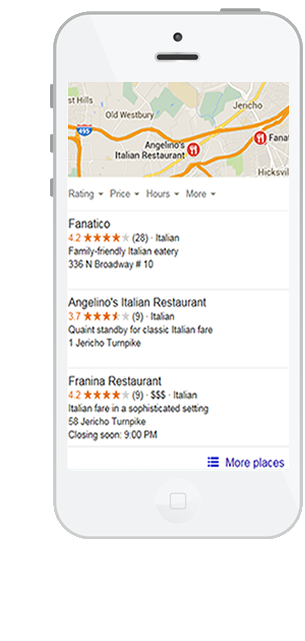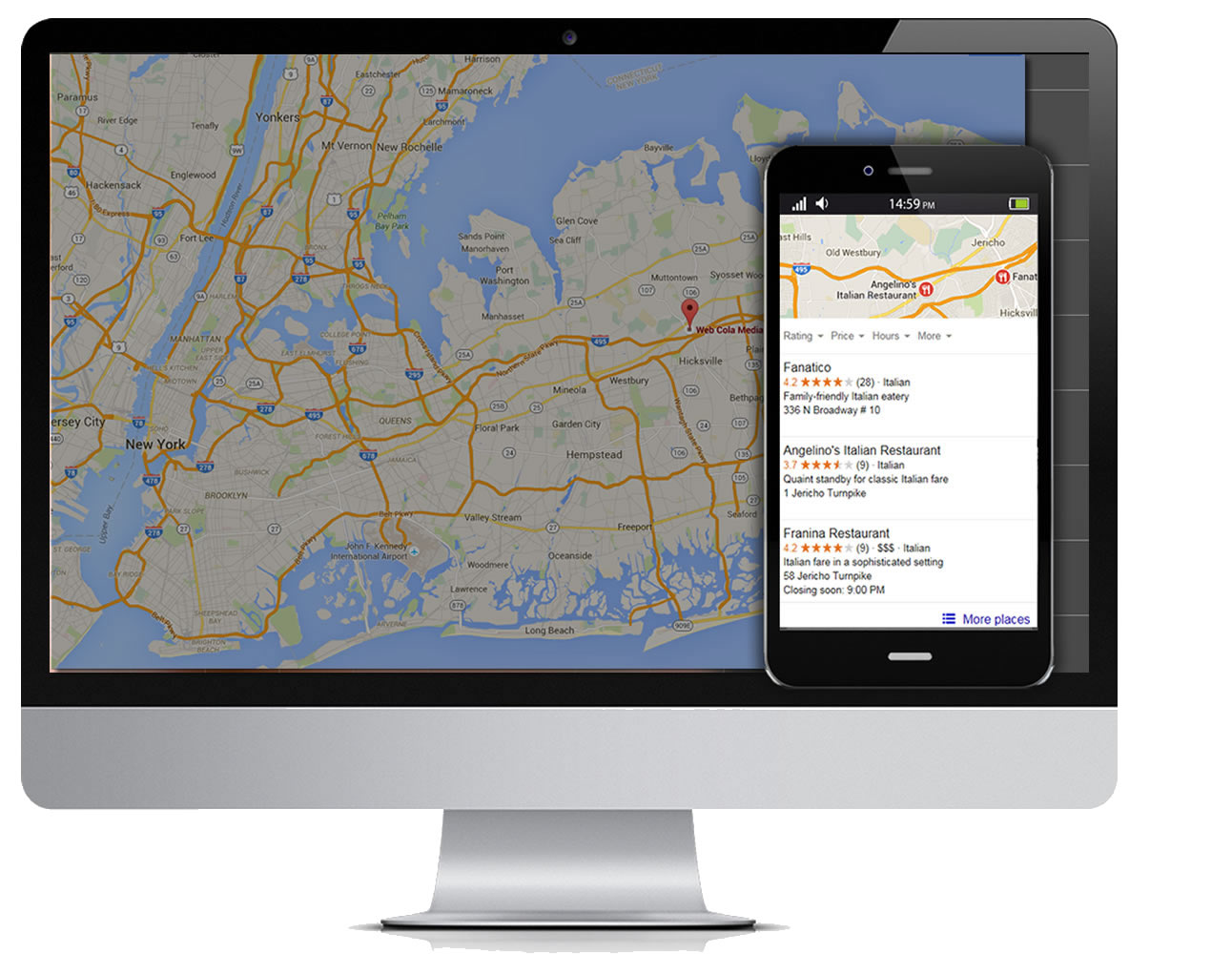

We keep your business information up-to-date across all major directories, ensuring no wrong addresses, phone numbers, or hours of operation lead your customers astray.
Proactive Directory Marketing: We don’t just update your listings—we actively promote your business across top directories, putting you ahead of local competitors.
Real-Time Review Management: We monitor and respond to customer reviews on platforms like Google, Yelp, and Facebook. By addressing feedback promptly, we protect your reputation and build lasting trust.
In-Depth Performance Reporting: Get detailed analytics and reports to track your performance. From insights on customer engagement to trends in reviews, our data helps you make informed decisions to grow your business effectively
With our expertise and dedication, we take the stress out of managing your business’s online presence so you can focus on what you do best. From consistency in information to managing reviews and reporting results, we are your go-to partner for success in the digital space.
We don’t just maintain your listings—we actively market your business across directories to boost your visibility and attract new customers. Reputation Management Made Easy Avoid potential damage caused by incorrect or fake reviews. We monitor and address feedback to project the trustworthy and professional image your business deserves.
By leveraging these directories, we help local customers find your business more easily, driving traffic and sales your way.
Once your business profile is set up on Google Maps, a world of powerful features becomes available to you. Here’s what you can take advantage of:
Manage and Update Your Listing: Easily edit your address, hours, and contact information to ensure potential customers always see accurate details.
Showcase Your Business: Upload images, share posts about special offers or events, and highlight what makes your business unique.
Gain Valuable Insights: Access analytics to see how customers find your profile, what actions they take, and which features attract the most attention.
Engage with Customers: Read and respond promptly to reviews, strengthening customer relationships and resolving concerns right from your dashboard.
By tapping into these benefits, you keep your business information current, engage your audience, and make data-driven decisions to reach even more local customers.
How Google Maps Verification Works
Once you've entered and reviewed your business details, the next step is verifying your business with Google Maps. This step confirms you’re the rightful owner—keeping your listing secure and accurate.
In most cases, Google will mail a postcard to your business address with a unique verification code. This postcard typically arrives within 1-2 weeks. However, depending on your business and previous verifications (such as if your website is already connected through Google Search Console), you may be eligible to verify instantly or by phone or email.
Keep an eye on your mailbox (and inbox, just in case), and once you receive your code, simply enter it into your Google Business Profile to confirm your ownership. This finalizes your listing and brings your business one step closer to reaching more local customers.
When setting up your business listing, you have flexibility based on how you serve your customers:
Physical Location:
If customers visit you at a brick-and-mortar store or office, simply provide your business address. This ensures your location appears on Google Maps and other directories, making it easy for customers to find and visit you in person.
If you deliver goods or provide services in specific neighborhoods, cities, or regions (but don’t have a storefront for visitors), you can list those service areas instead of a single address. This option works well for businesses like plumbers, cleaning services, and delivery-based companies.
You can also combine both options. Businesses with a physical location that also service wider areas (like a bakery with both a shop and local delivery) can list their business address and specify the additional areas they serve. This helps potential customers know exactly what to expect and expands your reach within local searches.
Choosing the appropriate category for your business on Google Maps is an important step to help customers find you easily. Google provides a wide list of predefined categories—simply select the one that best matches your primary services. While you can’t create your own custom category, you’ll have the flexibility to add more relevant categories after your initial setup to better reflect what you offer.
Pick the category that most closely matches your core business (for example, “Bakery” rather than just “Food Store” if you primarily sell baked goods).
You can update or add additional categories later as your business grows or diversifies.
If you’re unsure, check what categories similar businesses in your area are using for inspiration.
Accurate category selection helps ensure your business shows up in the right searches, connecting you with customers who are already looking for what you provide.
If you discover that your business listing is already claimed—don’t worry, there are still options.
Request Ownership: Most major directories, like Google Business Profile and Yelp, allow you to request ownership from the current verified owner. Just follow their outlined steps to start the process.
File a Claim: If you haven’t received a response within a week, you can usually file a claim to verify your connection to the business. Often, this will require providing business documentation or following up through their support channels.
Stay Persistent and Patient: It may take some back-and-forth, but these platforms are built to ensure the rightful business owner ultimately gains control. With Web Cola Media’s experience, we guide you through every step, so your online presence stays in your hands.
By addressing listing issues promptly, you prevent confusion among potential customers and maintain your business’s professional image.
If your business already has a listing on Google Maps, taking ownership is a straightforward process:
Visit and enter your business name to search for your existing profile.
If the listing appears, you’ll have the option to claim or request ownership—simply follow the prompts to begin the verification process.
In cases where someone else has already verified your business, you can request access from the current owner. Google provides steps to submit your request, and if there’s no response within seven days, you may receive the opportunity to claim the listing yourself.
Taking these steps ensures your business information stays accurate and gives you full control over how your business appears to potential customers online.
showing how your listings and reviews drive calls, clicks, and foot traffic. We’ll show you exactly what’s working—so you can focus on growing your business.
Tailored for Long Island: As a local company, we know what matters to Nassau and Suffolk businesses. Our team leverages neighborhood trends and local search strategies that national firms miss.
Drive More Local Customers: Consistent listings boost your rankings—so you show up when locals search for services like yours.
Avoid Missed Opportunities: Out-of-date info leads to lost calls and unhappy customers. We make sure your details are always right.
Build Trust & Authority: Accurate profiles and positive reviews set you apart from the competition.
“Web Cola Media fixed our inconsistent listings and responded to negative reviews fast—our calls from Google doubled in 60 days!” — Maria, Huntington, NY
“We can finally track how many customers find us online. The monthly reports are a game-changer.” — Steve, Garden City, NY
Don’t let inaccurate listings or bad reviews hold your business back. Partner with Web Cola Media—Long Island’s trusted local SEO experts—and take control of your online reputation today.
Being listed on reputable local directories enhances the legitimacy and trustworthiness of your business in the eyes of potential customers. When people see your business across multiple trusted platforms, they are more likely to choose you over competitors.
Local directory listings ensure that your business appears in search results when customers are searching for services or products in your area. This is particularly beneficial for small businesses aiming to dominate their local market.
Time-saving Convenience
We handle monitoring, updating, and marketing so you can focus on running your business.
By featuring your business in local directories, you can boost your search engine rankings. Optimized local listings help search engines recognize your business's relevance to nearby customers, driving organic traffic to your website or storefront. Build Customer Trust
Consistent and accurate information across local directories establishes credibility with potential customers. Reviews and ratings on these platforms also enhance your reputation, encouraging more people to choose your business over competitors. (Track Performance with Analytics)
Directories become a channel to market your business, increasing awareness and customer engagement.Cost-Effective Marketing
Local listing platforms provide a budget-friendly way to promote your business compared to traditional advertising methods. Many directories offer free listing options, while premium plans often come with added benefits like enhanced visibility or access to advanced features.
Having your business listed in multiple directories helps improve your website's SEO. Consistent and accurate information across platforms signals credibility to search engines, which can boost your local search rankings and drive more traffic to your site.Building Customer Trust
How Business Directories Use Digital Marketing Strategies to Grow. Business directories are more than just websites that connect people. They are ecosystems of information, community, and trust. To build a successful directory, you need more than just an idea; you need effective marketing strategies to attract businesses, drive traffic, and retain users.
Business directories have become indispensable for connecting customers with the services they need. Whether it’s a B2B platform helping companies find suppliers or a local directory for popular eateries, these directories play a pivotal role in today’s digital economy.
But what sets a successful business directory apart in a crowded market? The answer lies in effective digital marketing. By leveraging strategies like website design, search engine optimization (SEO), social media marketing, e-commerce marketing, content marketing, and email marketing, business directories can grow their reach, foster user engagement, and thrive in an increasingly competitive online landscape.
We will explore each of these digital marketing pillars and how business directories can take full advantage of them to establish leadership in their industry.
A business directory’s website is its storefront. It’s the first thing users see when searching for businesses, and it frequently determines whether users will stay and explore or exit within seconds. A visually appealing, well-structured design is critical to convert visitors into engaged users.
User-Friendly Navigation: Make it easy for visitors to find relevant listings. Use filters, search bars, and clear categories to streamline the browsing experience.
Mobile Optimization: Over 60% of internet browsing occurs on mobile devices. Responsive designs ensure seamless access no matter the screen size.
Fast Loading Times: A slow-loading site can decrease user satisfaction. Google suggests that a load time under 2 seconds is ideal for better user engagement.
Highlight Reviews and Ratings: Integrate customer ratings and reviews directly into listing pages. This adds credibility and assists users in decision-making.
Call to Actions (CTAs): Provide clear CTAs, such as “Claim Your Listing” or “Get Listed,” to encourage businesses to join your directory.
Well-designed websites encourage businesses to list their services while offering users the confidence to rely on the directory for accurate, helpful information.
Driving Organic Traffic With Search Engine Optimization (SEO) SEO is non-negotiable for any online platform that aims to stand out in search engine results. For business directories, ranking high on search engines like Google ensures a steady influx of organic traffic and revenue opportunities.
Focus on Local SEO: Business directories often serve regional markets. Optimize for local keywords like “plumbers in Chicago” or “best sushi near me.” Claim your Google My Business profile for local visibility.
Build Robust Backlinking: Generate links from reputable sources, such as local businesses, blogs, and community organizations. The higher the domain authority of referring sites, the better your rankings.
Optimize Meta Titles and Descriptions: Ensure that all listings have clear, keyword-rich meta titles and descriptions, as these can drastically improve click-through rates (CTR).
Create Unique, Non-Duplicate Content: Avoid listing duplicated business descriptions from other sites. Unique descriptions are ranked higher in search engine algorithms.
Utilize Schema Markup: Schema markup helps search engines better understand your site’s content. Use specific directory-related schemas to improve visibility in search results.
SEO lays the foundation for long-term visibility. It helps business directories stay accessible and relevant to their intended audience.
Social media marketing is an excellent tool for business directories to boost their visibility and interact with both users and businesses. Platforms like Facebook, Instagram, and X (formerly Twitter) allow directories to become part of larger conversations while promoting their services.
Showcase Listings Creatively: Share featured businesses or post user-generated content such as positive reviews or success stories from your directory.
Use Paid Ads: Use social media advertising to promote your services to targeted demographics or specific geographic areas.
Create Shareable Content: Design visually appealing posts, such as infographics or industry spotlights, that encourage users to share and spread the word about your directory.
Engage With Followers: Respond to comments, queries, and direct messages promptly to build a community around your business directory.
Social platforms aren’t just for visibility; they also allow business directories to create meaningful connections and grow brand trust.
While most directories are designed for connecting businesses and audiences, incorporating e-commerce marketing strategies can create additional revenue streams.
Promote Sponsored Listings: Allow businesses to pay for premium placement in search results or category pages.
Affiliate Programs: Partner with e-commerce platforms or service providers to earn a commission for referrals generated through your listings.
Enable One-Click Purchases: Integrate e-commerce capabilities like allowing users to directly purchase products/services from businesses listed on your directory.
By weaving e-commerce marketing into the framework, business directories can enhance their monetization potential.
Content is king, and this holds true for business directories. Engaging blog posts, videos, and downloadable resources can enhance user retention while driving traffic.
Blogging for SEO: Write blogs like “Top 10 Restaurants for Foodies in New York” or “Best Lawn Care Services Near You.” These not only rank well on Google but position your directory as an industry authority.
Create Industry-specific Guides: Offer well-researched guides or whitepapers relevant to the niche you serve. These build credibility and provide lasting value to users and businesses alike.
Utilize Video Content: Post short video tutorials or promotional clips on YouTube to attract visual learners.
Content marketing keeps users coming back and positions your directory as their go-to resource.
Email marketing is a powerful way to engage both users of the directory and businesses listed within it. With clean segmentations and tailored messaging, directories can create stronger bonds with their audience.
Email Marketing Strategies:
Welcome Emails: Send a friendly introduction when new businesses list themselves or when users register with your directory.
Promotions and Updates: Notify businesses about upgrades, paid plans, or new features available on your platform.
User Newsletters: Share featured businesses, trending blog posts, or upcoming events with your user base to keep them engaged.
Establishing a consistent email marketing strategy ensures businesses stay connected with your directory and view it as a priority resource.
Business directories are more than just websites that connect people. They are ecosystems of information, community, and trust. To build a successful directory, you need more than just an idea; you need effective marketing strategies to attract businesses, drive traffic, and retain users.
By focusing on website design, SEO, social media, e-commerce marketing, content strategies, and email marketing, directories can position themselves as invaluable resources for users and businesses alike.
Remember, your directory is only as effective as the audience it attracts. If you’re ready to take your directory’s digital presence to the next level, the strategies above are your roadmap to success.
Business directories are more than just websites that connect people. They are ecosystems of information, community, and trust. To build a successful directory, you need more than just an idea; you need effective marketing strategies to attract businesses, drive traffic, and retain users.
Business directories have become indispensable for connecting customers with the services they need. Whether it’s a B2B platform helping companies find suppliers or a local directory for popular eateries, these directories play a pivotal role in today’s digital economy.
But what sets a successful business directory apart in a crowded market? The answer lies in effective digital marketing. By leveraging strategies like website design, search engine optimization (SEO), social media marketing, e-commerce marketing, content marketing, and email marketing, business directories can grow their reach, foster user engagement, and thrive in an increasingly competitive online landscape.
We will explore each of these digital marketing pillars and how business directories can take full advantage of them to establish leadership in their industry.
A business directory’s website is its storefront. It’s the first thing users see when searching for businesses, and it frequently determines whether users will stay and explore or exit within seconds. A visually appealing, well-structured design is critical to convert visitors into engaged users.
Well-designed websites encourage businesses to list their services while offering users the confidence to rely on the directory for accurate, helpful information.
SEO is non-negotiable for any online platform that aims to stand out in search engine results. For business directories, ranking high on search engines like Google ensures a steady influx of organic traffic and revenue opportunities.
SEO lays the foundation for long-term visibility. It helps business directories stay accessible and relevant to their intended audience.
Social media marketing is an excellent tool for business directories to boost their visibility and interact with both users and businesses. Platforms like Facebook, Instagram, and X (formerly Twitter) allow directories to become part of larger conversations while promoting their services.
Social platforms aren’t just for visibility; they also allow business directories to create meaningful connections and grow brand trust.
While most directories are designed for connecting businesses and audiences, incorporating e-commerce marketing strategies can create additional revenue streams.
By weaving e-commerce marketing into the framework, business directories can enhance their monetization potential.
Content is king, and this holds true for business directories. Engaging blog posts, videos, and downloadable resources can enhance user retention while driving traffic.
Content marketing keeps users coming back and positions your directory as their go-to resource.
Email marketing is a powerful way to engage both users of the directory and businesses listed within it. With clean segmentations and tailored messaging, directories can create stronger bonds with their audience.
Establishing a consistent email marketing strategy ensures businesses stay connected with your directory and view it as a priority resource.
Business directories are more than just websites that connect people. They are ecosystems of information, community, and trust. To build a successful directory, you need more than just an idea; you need effective marketing strategies to attract businesses, drive traffic, and retain users.
By focusing on website design, SEO, social media, e-commerce marketing, content strategies, and email marketing, directories can position themselves as invaluable resources for users and businesses alike.
Remember, your directory is only as effective as the audience it attracts. If you’re ready to take your directory’s digital presence to the next level, the strategies above are your roadmap to success.